
SKITTLES Chosen Family Map
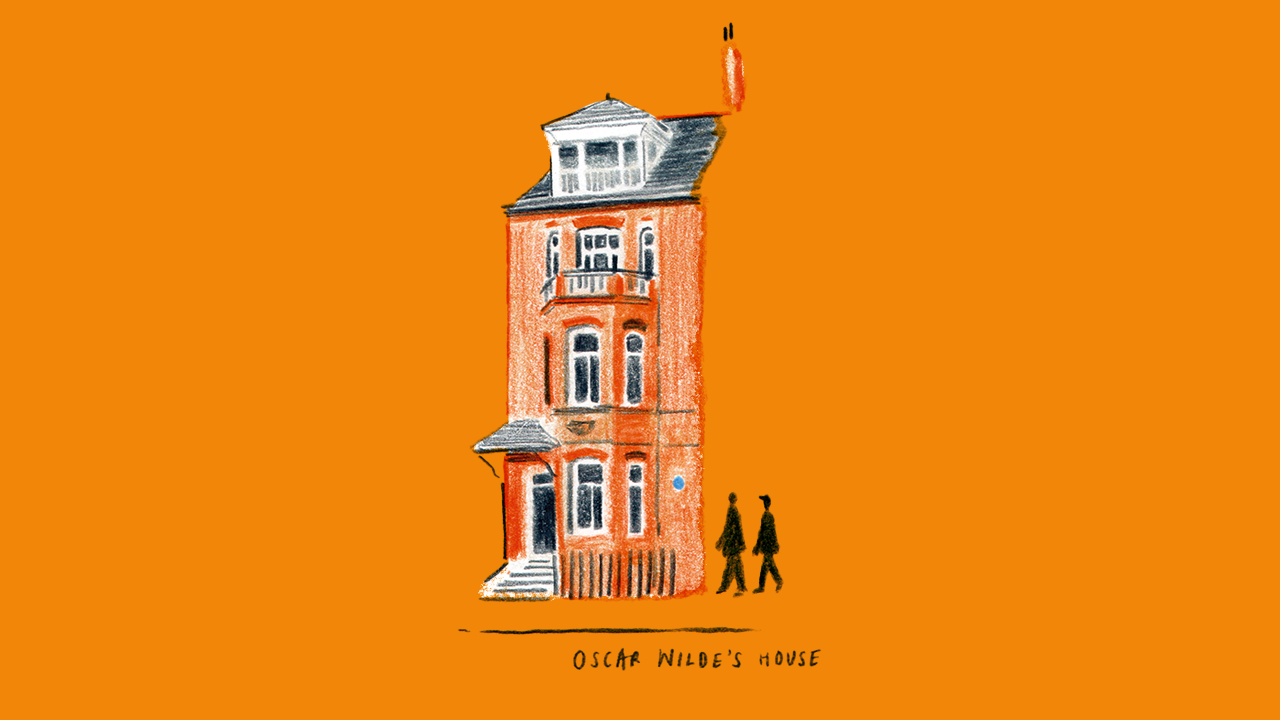
1. Oscar Wilde’s House
Address: 34 Tite Street, Chelsea, SW3
Oscar Wilde’s London home from 1885 until his arrest in 1895 was more than a private residence, it was a gathering space for a network of writers, artists and intellectuals who often lived outside Victorian social norms. At a time when queer identity was heavily policed, Wilde’s gatherings created a rare environment where like-minded individuals could find recognition, companionship and creative freedom. These informal circles functioned as early forms of “chosen family”, offering connection and shared identity beyond the constraints of conventional society.
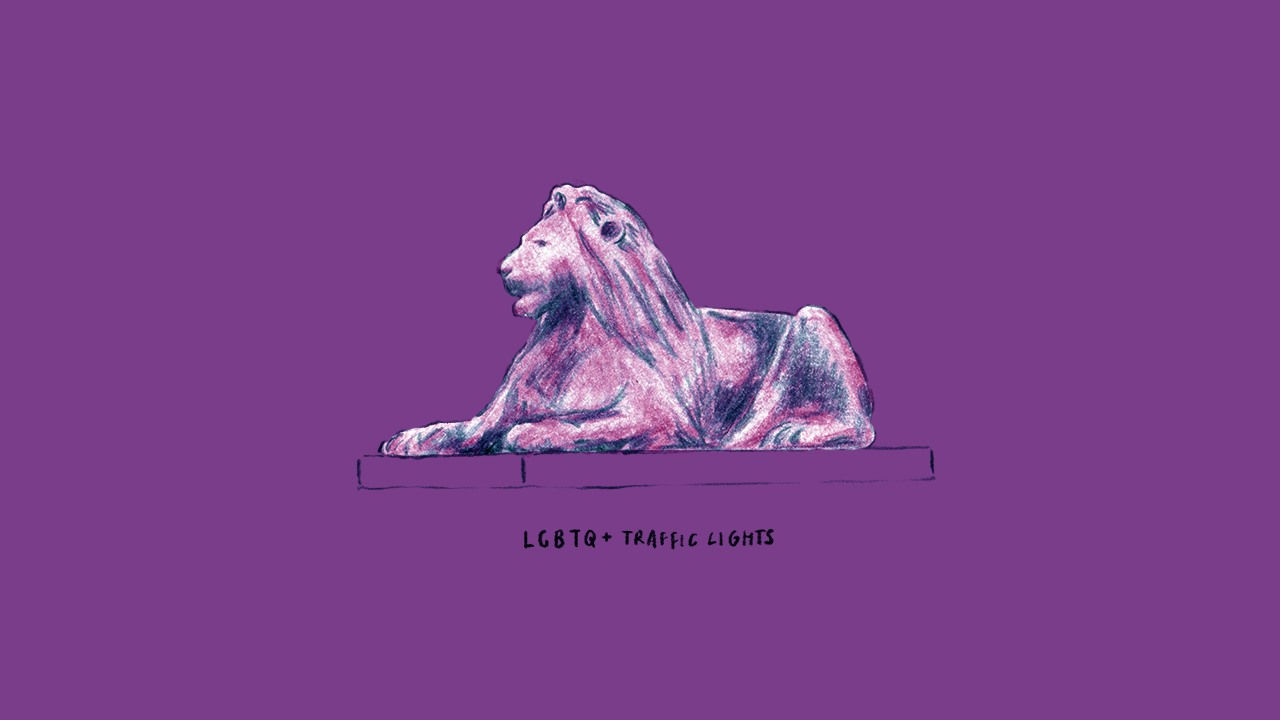
2. LGBTQ+ Traffic Lights, Trafalgar Square
Address: Trafalgar Square
In 2016 to mark pride season, 50 pedestrian traffic lights around Trafalgar Square were installed to depict same-sex couples, interlocking gender symbols, and the transgender symbol, instead of the traditional "green man". Set within a historic space of protest and public gathering, especially for the community, these symbols reflect London’s evolving inclusivity. By embedding LGBTQ+ visibility into daily life, they create moments of recognition and connection, echoing the idea of chosen family, where shared visibility and solidarity foster a sense of belonging across the city.
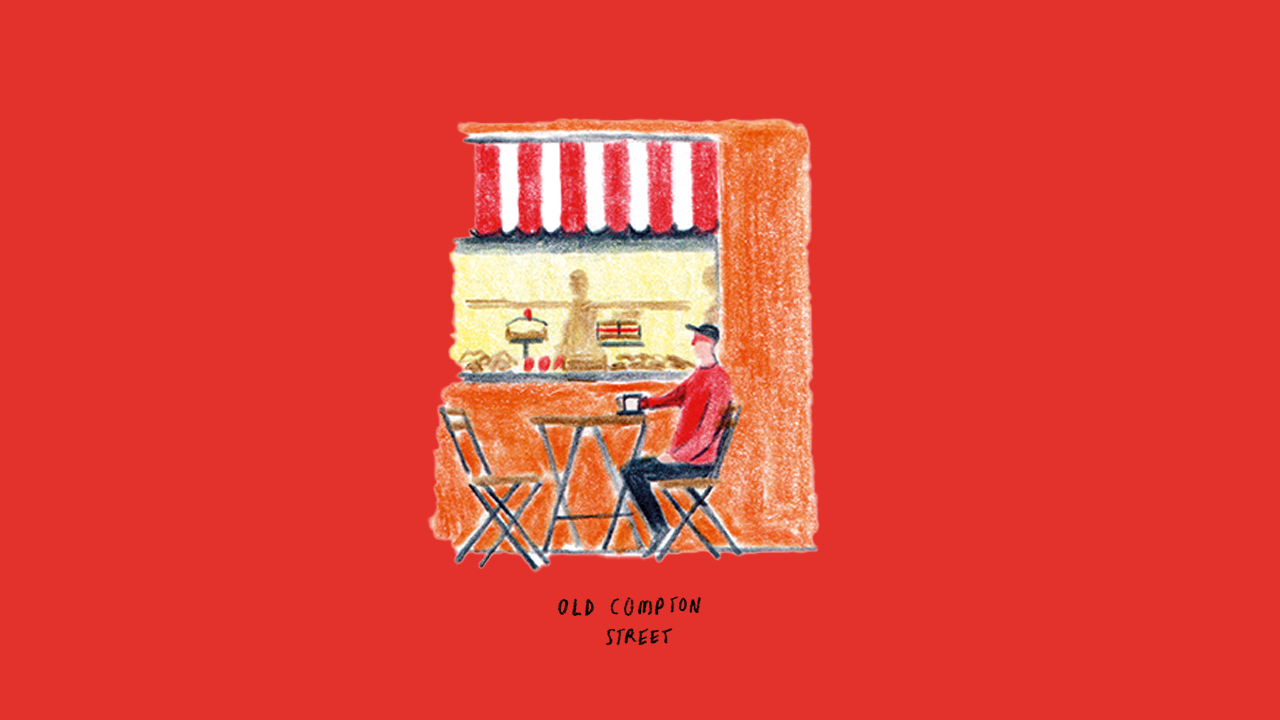
3. Old Compton Street
Address: Old Compton Street, W1D
At the centre of London’s Soho, Old Compton Street has long been the city’s most visible and enduring LGBTQ+ gathering place, evolving from a discreet meeting point in the early 20th century to a vibrant hub of queer life today. Lined with bars, cafés and community spaces, the street has fostered generations of everyday connection, becoming a place where individuals find belonging beyond traditional structures.
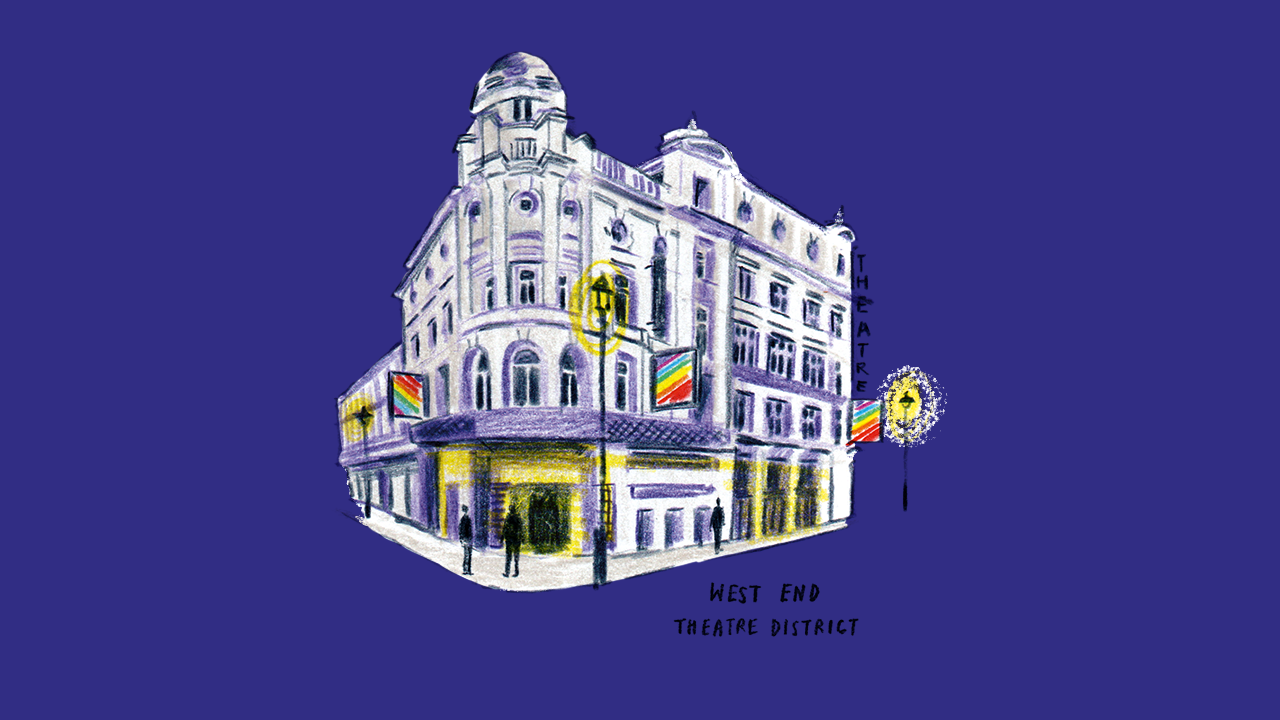
4. West End Theatre District
Address: Shaftesbury Avenue
London’s West End has been a hub of performance and self-expression since the 19th century, shaping creative communities on and off stage. From the late 1800s through the mid-20th century, Polari, a coded slang used by queer communities, particularly actors and theatre workers, circulated widely. At a time when homosexuality was criminalised, it allowed discreet recognition and support. Within these spaces, Polari helped build trust and solidarity, forming early versions of chosen family rooted in shared identity and mutual care.
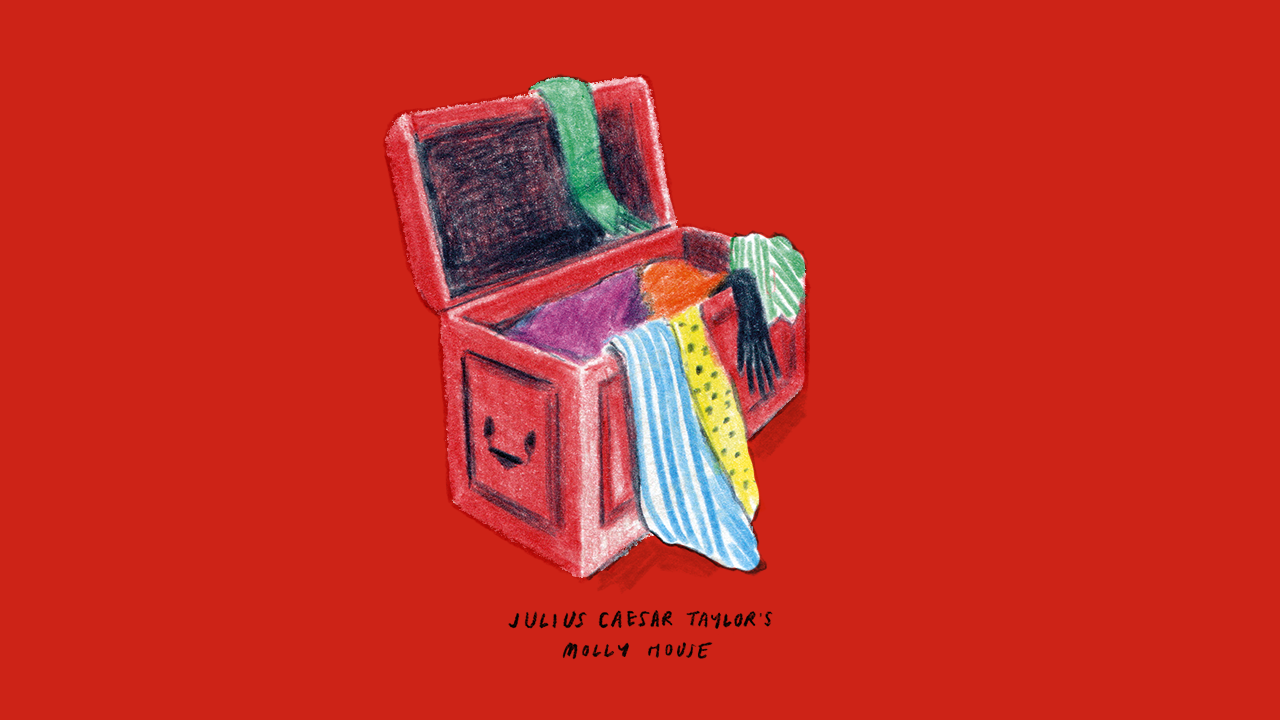
5. Julius Caesar Taylor’s Molly House
Address: Tottenham Court Road, just opposite the main entrance to the Underground Station
In the 18th century, "mollies" were homosexual men who often gathered in secret meeting places known as "molly houses", where they could socialise away from laws that criminalised same-sex relationships. Court records show a well-known molly house stood on the corner of Tottenham Court Road, near the present-day Underground station. The venue was run by Julius Caesar Taylor, a queer Black man who was arrested several times for his sexuality and for keeping a molly house. Despite this, spaces like his fostered trust, solidarity and protection, and are early expressions of chosen family, where community was built through care, resilience and shared experience.
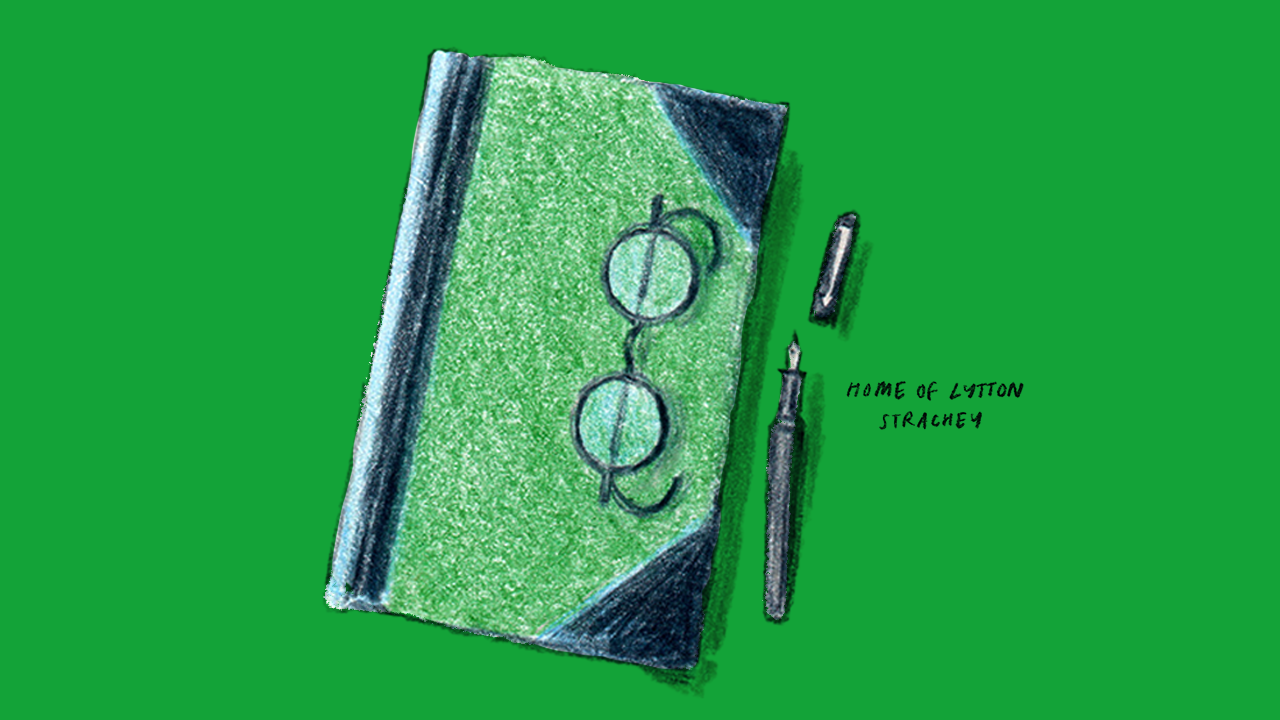
6. Home of Lytton Strachey
Address: 51 Gordon Square, Bloomsbury, WC1H 0PN
This Bloomsbury address was the London home of writer Lytton Strachey from 1921 until his death in 1932. Strachey was a key member of the Bloomsbury Group, a collective, made up of writers, artists and thinkers, who challenged early 20th-century social norms, embracing same-sex relationships and unconventional partnerships. While maintaining this home as his London base, he also shared an out-of-London life at Ham Spray House with the transmasculine artist Carrington and Ralph Partridge. The trio’s polyamorous queer relationship reflected the group’s fluid approach to love, partnership and chosen family.
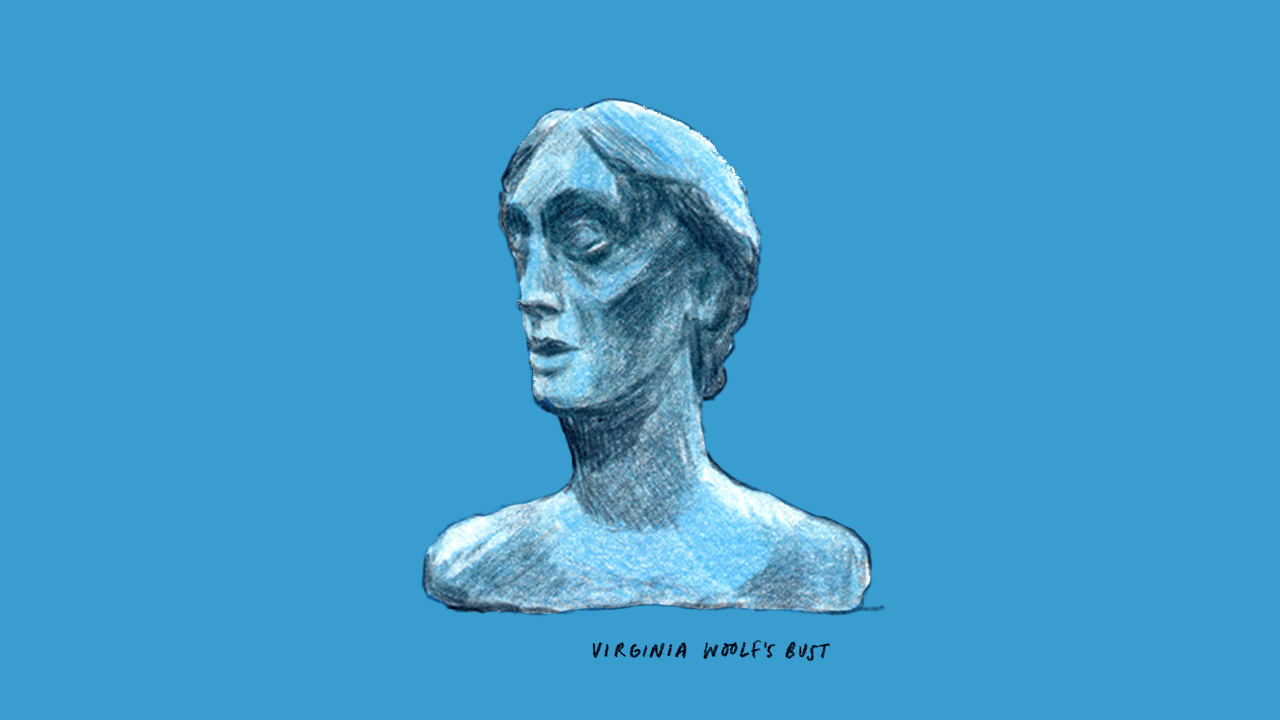
7. Virginia Woolf’s Bust
Address: Tavistock Square, Bloomsbury, WC1H
This sculpture commemorates Virginia Woolf (1882-1941), a major 20th-century author who lived in the nearby Bloomsbury area, a neighbourhood known for writers and artists who challenged traditional ideas about art, society and relationships. Though married to writer Leonard Woolf, Woolf had romantic relationships with women, including fellow author Vita Sackville-West. Woolf’s work often explored emotional intimacy, identity and relationships beyond conventional norms. Her novel, The Waves, follows six friends whose lives are deeply intertwined, with their intense emotional bond reflecting the notion of a chosen family, defining themselves through one another rather than through conventional roles like marriage or kinship.
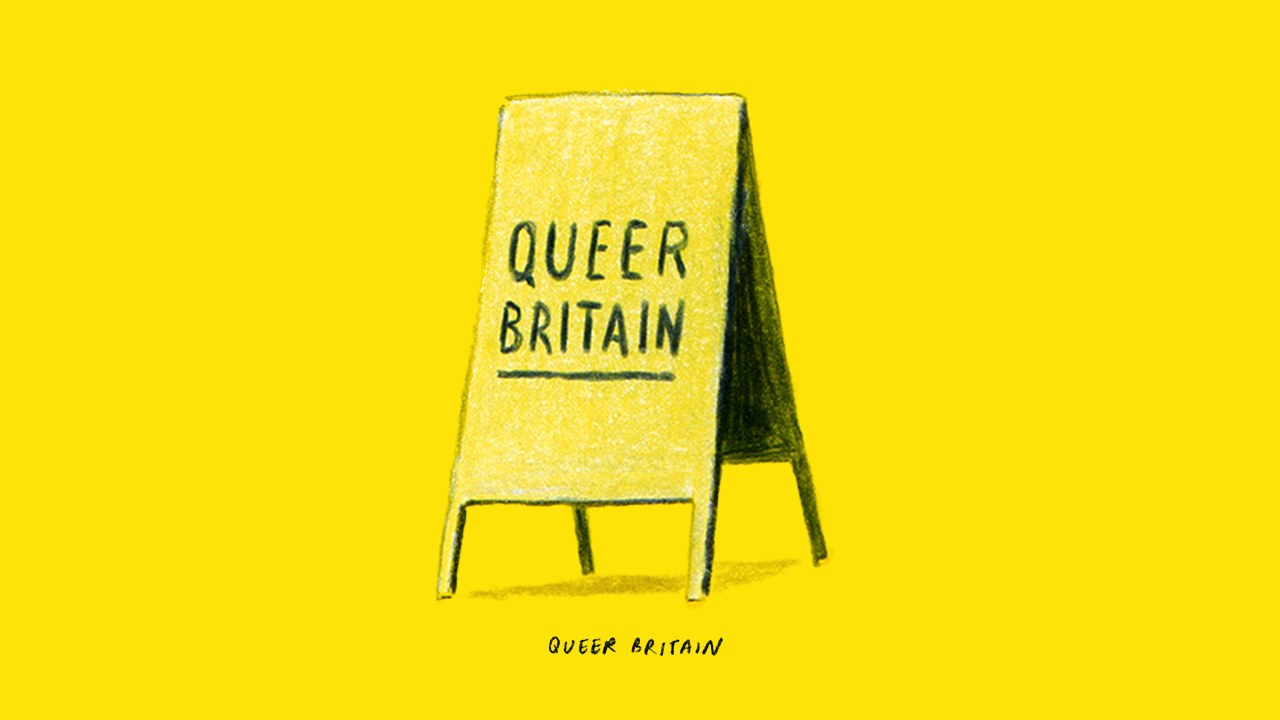
8. Queer Britain (museum)
Address: 2 Granary Square, King’s Cross, N1C 4BH
Queer Britain, the UK’s first national LGBTQ+ museum, is a longstanding partner of Skittles’ Pride work. Over many years, they have worked together to support the museum’s mission to reclaim, preserve and celebrate LGBTQ+ histories, ensuring the archives of tomorrow are as joyful, diverse and inclusive as the communities they represent. Alongside a range of exhibitions, visitors can also explore chosen family in a dedicated display, currently featuring Lytton Strachey and the Bloomsbury Group, co-developed by Skittles and Queer Britain. The museum stands as a living hub of visibility, education and community.